Wedding Invitation Template: A Designer's Review
As a designer who has spent years navigating the delicate balance between digital aesthetics and physical stitching, I approach every new asset with a critical eye. When I first opened the Wedding Invitation Template, my initial reaction was one of cautious optimism. In the world of Print Templates, clarity is king, but when we translate that concept into a machine embroidery design, the rules change entirely. This review isn't about whether the file opens correctly; it is about whether this design survives the transition from screen to fabric without losing its soul.
The First Impression: Elegance Meets Texture
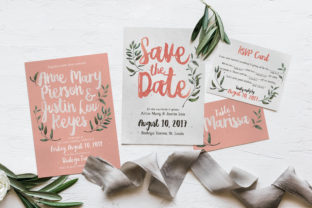
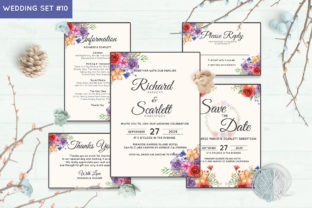
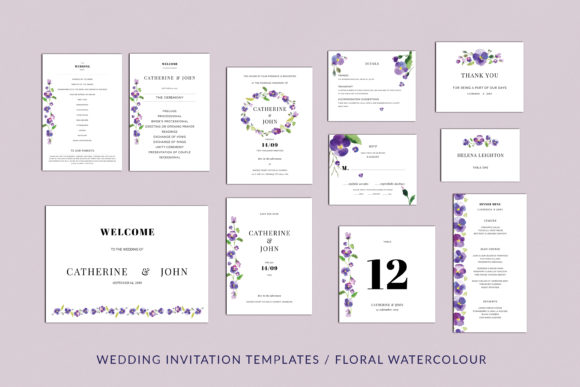
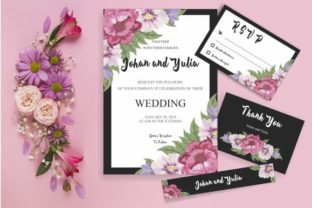
The visual personality of the Wedding Invitation Template leans heavily into traditional romance with a modern structural twist. At first glance, the layout suggests a high-end, boutique feel. The lines are clean, and the composition leaves just enough negative space to breathe, which is crucial for any successful embroidery project. However, looking closer at the intricate corners and the potential for fine lettering, I immediately began mentally mapping out the stitch density.
In a digital format, these details look crisp. But in reality, thread has thickness. If this template relies on very thin lines for its decorative accents, they could easily become muddy if the fill stitch settings aren't adjusted perfectly. The mood it creates is sophisticated, making it an ideal candidate for high-value items where presentation matters. It feels like a design meant to be cherished, not just mass-produced.
Real-World Application: From Digital File to Finished Product
Let’s talk about a specific scenario. Imagine you are preparing a custom embroidered tote bag for a bridal party gift set. You want something that screams "celebration" but remains practical. Using the Wedding Invitation Template here offers a unique opportunity. Unlike a standard logo, this design carries narrative weight. When stitched onto a sturdy canvas tote bag, the texture of the fabric can actually enhance the romantic vibe of the template.
I envision this working beautifully as a focal point on a sweatshirt embroidery project for a wedding planner or a groomsman. The softness of the fleece would contrast nicely with the structured lines of the invitation motif. For a smaller scale, consider an embroidered patch. If the design allows for a defined border, turning this into a detachable patch for a denim jacket or a backpack adds a layer of versatility. It transforms a simple garment into a personalized story piece.
For the Etsy seller or small shop owner, this template fits perfectly into the "handmade product" niche. Think about a baby embroidery item, perhaps a special keepsake pillow for a baby shower that doubles as a wedding registry gift. The gentle curves and celebratory nature of the Wedding Invitation Template make it adaptable beyond just weddings, provided you adjust the text elements. It works well as a holiday embroidery accent too, especially if you swap the color palette to match seasonal themes while keeping the core structure.
Navigating Fabric Challenges
While the potential is high, we must address where this design requires careful handling. Not all fabrics play nice with detailed templates. On textured fabrics like linen or heavy tweed, the fine details of the Wedding Invitation Template might get lost. The weave of the material can interfere with the precision of the running stitch or satin stitch borders.
If you plan to use this on stretchy fabric like jersey or spandex blends, common in modern custom apparel, you need to be vigilant. Without the right stabilizer, the tension from the hoop can distort the delicate curves of the invitation design. Similarly, on dark fabric, the contrast becomes your best friend. You will likely need a backing layer or a specific thread choice to ensure the design pops rather than blending into the background.
Curved surfaces present another hurdle. Attempting to hoop this design on a cap or a rounded bottle opener could result in puckering, especially in the dense areas. The hoop size is critical here; if the design is large, forcing it into a small hoop area will ruin the layout. Always check the dimensions against your available hoops before committing to the project.
Design Integrity and Commercial Viability
From a business perspective, using the Wedding Invitation Template affects your brand consistency and customer trust. A poorly executed embroidery job can make even the most beautiful design look cheap. If the thread colors clash or the stitch density is too high, causing the fabric to pucker, the perceived value of your small shop product drops instantly.
However, when done right, this design elevates the finished product. It signals professionalism. Customers buying personalized gifts expect perfection. They want to see that the digital embroidery file was handled by someone who understands how light hits thread and how fabric moves. This template gives you the framework to build that reputation, provided you respect the limitations of the medium.
For those selling commercial embroidery assets or offering services, this design serves as a strong portfolio piece. It demonstrates your ability to handle complex layouts. Just remember to confirm licensing before selling finished items. Even if the file is purchased, the terms for commercial use of the final stitched goods can vary. Never assume; always verify.
Practical Notes for the Designer
Before you load this file into your machine, follow these steps to ensure success:
- Test on Scrap Fabric: Never skip this. Stitch the Wedding Invitation Template on a scrap piece of the exact fabric you intend to use. Check for puckering and thread breakage.
- Check Thread Contrast: Ensure the thread colors provide enough visibility against your chosen background. A white-on-white satin stitch might look elegant in a mockup but disappear in person.
- Review Stitch Density: Look for areas where the fill might be too tight. Thinning out the density in certain zones can prevent fabric distortion.
- Confirm Hoop Size: Measure the design dimensions against your hoop. If it’s too close to the edge, reposition or resize carefully.
- Inspect Small Details: Zoom in on the smallest text or lines. If they are thinner than 2mm, they may require manual adjustment or a different stitch type.
- Use Proper Stabilizer: Whether it’s tear-away, cut-away, or water-soluble, the right stabilizer is the backbone of a clean embroidery project.
- Mockup Testing: Create black and white printable mockups to visualize the design without color bias. Compare how it looks on light versus dark backgrounds.
Ultimately, the Wedding Invitation Template is a versatile tool for the creative entrepreneur. It bridges the gap between graphic design and textile art. By understanding its strengths and limitations, you can turn a simple embroidery file into a standout feature of your craft business. Whether you are creating a one-off personalized gift or launching a line of boutique branding merchandise, this design offers a solid foundation for excellence. Just remember: the magic happens not in the file itself, but in how skillfully you bring it to life on fabric.