Watermelon Digital Papers, Fruit Pattern Review
As a designer who has spent years translating digital concepts into tangible stitched goods, I approach every new asset with a mix of excitement and skepticism. When I first opened the Watermelon Digital Papers, Fruit Pattern, my initial thought was about its potential for summer collections. However, moving from a screen to a hoop requires a different kind of scrutiny. This review isn't just about whether the pattern looks good; it is about whether it survives the rigors of a real-world embroidery project and adds genuine value to your finished product.
The First Impression: Mood and Visual Weight
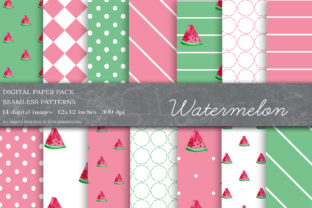
At first glance, the Watermelon Digital Papers, Fruit Pattern exudes a cheerful, nostalgic energy. The repeating motif of watermelon slices creates a rhythmic visual flow that feels instantly recognizable. For an embroidery designer, this rhythm is crucial. Unlike complex, singular focal points, a pattern like this relies on consistency and repetition to create impact. The shapes are bold enough to suggest they will hold up well in a fill stitch, yet the outlines appear distinct enough to be defined by satin stitching if desired.
The visual personality here is playful but not childish. It strikes a balance that works for both a trendy boutique tote bag and a whimsical nursery item. When I imagine this design as a machine embroidery design, I see it working best where the fabric texture can complement the organic feel of the fruit. The layout suggests a seamless repeat, which is ideal for larger surface areas like pillow covers or aprons, rather than tiny, confined spaces.
Real-World Application: From Concept to Stitched Reality
To truly test the viability of this embroidery file, let's walk through a specific scenario. Imagine you are preparing a custom embroidered tote bag for a local craft fair. You want something that screams "summer" without looking cheap. If you were to use the Watermelon Digital Papers, Fruit Pattern across the front panel of a canvas tote, the result would likely be striking. The high contrast between the red flesh, green rind, and black seeds of the watermelon naturally guides the eye.
In this context, the pattern transforms a simple utility item into a statement piece. For an Etsy seller or a small shop owner, this kind of visual pop increases the perceived value of the handmade product. Customers browsing for a personalized gift or a unique holiday embroidery item are often drawn to designs that evoke a specific season or feeling. This pattern does exactly that. It fits seamlessly into categories like kitchen towels, tea towels, and even baby clothes, where bright, fruity themes are perennially popular.
Consider also the application on custom apparel. A sweatshirt embroidery project using this pattern could be executed as a large back print or a chest logo repeat. The key here is how the stitch density interacts with the fabric. On a heavy cotton sweatshirt, the fill stitch areas of the watermelon slices will sit nicely, adding a tactile dimension that customers love to touch. However, the success of the project hinges on your ability to manage the thread tension and ensure the colors remain vibrant after washing.
Navigating Challenges: Where Caution is Needed
While the Watermelon Digital Papers, Fruit Pattern is versatile, it is not without its pitfalls. As an experienced reviewer, I must point out where this design might struggle. Small hoop sizes are a primary concern. If you attempt to scale this pattern down for a cap or a small patch, the details of the seeds and the rind stripes may become indistinct. In machine embroidery, losing detail often leads to thread bunching or a muddy appearance.
Fabric choice is equally critical. On textured fabrics like denim or heavy twill, the intricate edges of the watermelon slices might get lost unless you use a very high-quality stabilizer. Conversely, on thin or stretchy fabrics, such as jersey knit for t-shirts, the dense nature of a full pattern repeat could cause puckering. If you are working with dark fabric, the light green and pink tones of the watermelon will require careful thread colors selection to ensure visibility. A standard white underlay might be necessary to make the colors pop against a navy or black background.
Furthermore, curved surfaces like caps present a unique challenge. The rigid nature of a repeating pattern can sometimes distort when wrapped around a curve. You may need to adjust the placement or break the pattern into smaller segments to maintain the integrity of the design. Always remember to inspect small details before committing to a full production run. What looks crisp on a monitor can turn into a tangled mess on a curved brim if the running stitch or outline settings aren't optimized.
Practical Designer Notes for Success
Before you integrate the Watermelon Digital Papers, Fruit Pattern into your business workflow, follow these practical steps to ensure professional results:
- Test on Scrap Fabric First: Never skip the test run. Stitch the design on a scrap piece of the exact fabric you intend to use. Check for puckering, thread breaks, and color accuracy.
- Review Stitch Density: If the pattern appears too dense, you may need to reduce the fill count to prevent stiffness, especially for items like baby embroidery or clothing that needs to breathe.
- Confirm Hoop Size: Ensure the pattern fits comfortably within your hoop without excessive re-hooping, which can lead to misalignment in the final finished product.
- Use Proper Stabilizer: For patterns with significant fill areas, a cutaway stabilizer is often safer than tear-away to support the weight of the threads over time.
- Check Licensing: If you plan to sell items made with this design, confirm the licensing terms. Some digital product sellers restrict commercial use or limit the number of items you can produce.
- Mockup in Black and White: Test the design in grayscale to ensure the contrast levels work even without color, which helps in identifying potential issues with thread visibility.
Impact on Brand and Customer Trust
Ultimately, the decision to use the Watermelon Digital Papers, Fruit Pattern goes beyond aesthetics; it impacts your brand identity. A well-executed pattern demonstrates attention to detail and professionalism. When a customer receives a personalized gift or a small shop product featuring this design, the quality of the stitching speaks volumes about your craftsmanship.
High-quality embroidery builds trust. It shows that you care about the durability and beauty of your work. Whether you are creating embroidered patches for a uniform line or decorative accents for home decor, the consistency of this pattern can help establish a cohesive look for your brand. It allows you to offer a range of products—from tote bag designs to baby embroidery—that all share a unified visual language.
For the creative entrepreneur, having reliable design assets is essential. The Watermelon Digital Papers, Fruit Pattern offers a fresh take on a classic theme, providing an opportunity to stand out in a crowded market. By understanding its strengths and limitations, you can leverage this pattern to create products that not only look beautiful but also perform well in the hands of your customers. Remember, the goal is always to deliver a commercial embroidery project that exceeds expectations, turning a simple digital file into a cherished physical object.