Spring Tulips Patterns: A Designer Review
As a graphic designer who has spent years navigating the creative marketplace, I know that finding the right asset for a client project can make or break a deadline. Recently, I was tasked with refreshing the visual identity for a boutique handmade soap brand launching their spring collection. The brief called for something fresh, organic, and distinctly seasonal without feeling cliché. That is when I stumbled upon Spring Tulips Patterns. My first impression was immediate relief; the mood it established was exactly what the client needed—a blend of elegance and approachability that screams "spring" without overwhelming the viewer.
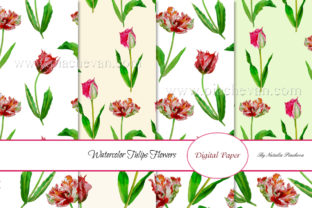
The visual elements within this design bundle feel carefully curated rather than randomly generated. Unlike many generic clipart sets found online, these patterns possess a rhythm and flow that suggest a higher level of artistic intent. For a small business branding project, this distinction is crucial. When you are building a brand identity, every element must contribute to a cohesive story. These tulip motifs offer a sophisticated backdrop that elevates the perceived value of the product, making them an excellent choice for packaging design, product labels, and even editorial design features in lifestyle blogs.
Bringing Seasonal Campaigns to Life
In the context of my current client work, I immediately saw how Spring Tulips Patterns could transform a standard marketing campaign into a standout visual experience. Imagine applying this pattern to a series of social media graphics for Instagram or Pinterest. The floral arrangement provides enough texture to catch the eye as users scroll, yet it remains subtle enough not to distract from the call-to-action text. This balance is rare in digital products designed for busy feeds.
For print-on-demand sellers and Etsy shop owners, the versatility of this asset is a game-changer. I tested the design on various product mockups, including tote bags, mugs, and t-shirt designs. On fabric, the repeating nature of the tulips creates a seamless look that feels professional and high-quality. It works exceptionally well for sublimation design projects where coverage needs to be full but not chaotic. Whether you are creating a sticker design for a planner community or designing wrapping paper for a local event, the adaptability of these patterns ensures they fit seamlessly into diverse creative workflows.
Strategic Placement and Visual Hierarchy
However, as any experienced designer knows, not every asset works everywhere. Understanding where Spring Tulips Patterns shines is just as important as knowing its limitations. In my review process, I determined that these designs excel in large layout areas, hero graphics, and as decorative accents. They are perfect for filling negative space on a website landing page or serving as a textured background for a blog post header. When used in web design, they add depth and character that flat colors often lack.
Conversely, there are scenarios where caution is required. If you are working on a minimalist branding project or a corporate presentation requiring very clean visual hierarchy, this pattern might be too busy. In crowded layouts or projects with complex backgrounds, the intricate details of the tulips can compete with essential information, reducing readability. Similarly, for logo design, using a full pattern is rarely advisable; instead, extracting a single motif from the set might serve better as a standalone icon. Always ensure that the pattern supports your message rather than obscuring it.
Technical Considerations for Professional Use
Before integrating any graphic design asset into a commercial project, rigorous testing is non-negotiable. I always start by checking the file formats. For this review, I examined both the SVG design files and the PNG options. The vector editability of the SVG format is a significant advantage, allowing me to adjust colors to match the client's specific palette perfectly. This flexibility is vital for maintaining brand consistency across different mediums.
I also conducted a black-and-white test to ensure the pattern holds up in grayscale printing, which is common for certain editorial contexts or cost-effective marketing materials. The contrast remained clear, ensuring that the design does not lose its definition when color is removed. Furthermore, I previewed the assets at both small and large sizes. At thumbnail size for social media ads, the pattern remained recognizable without becoming muddy. At poster size, the details were crisp, confirming that the resolution is sufficient for large-format prints.
Pairing with Typography and Licensing
Typography plays a pivotal role in how a pattern is perceived. I experimented with pairing Spring Tulips Patterns against various font styles. Interestingly, the organic curves of the tulips complemented script fonts and handwritten fonts beautifully, enhancing the handmade aesthetic. However, for a more modern design approach, pairing the pattern with a bold sans serif font created a striking contrast that felt contemporary and fresh. Display fonts worked well for headlines over the pattern, provided there was sufficient opacity or a solid overlay to maintain legibility.
Finally, the most critical step for any professional designer is verifying the commercial license. Before using this asset for a client project, I confirmed that the terms allow for use in commercial design, including print-on-demand products and marketing visuals. Using assets without the proper rights can lead to legal issues and damage your reputation. Once cleared, Spring Tulips Patterns proved to be a reliable addition to my library of design assets.
In conclusion, for designers, brand owners, and content creators looking to inject a dose of seasonal charm into their work, this pattern set offers significant value. It bridges the gap between amateur aesthetics and professional polish. Whether you are crafting a Canva template for a workshop, preparing a Cricut project for a craft fair, or developing a comprehensive brand identity for a new startup, these tulip motifs provide a strong foundation. By understanding their strengths, limitations, and technical requirements, you can leverage Spring Tulips Patterns to create memorable, engaging, and commercially viable designs that resonate with your audience.