Space Watercolor Backgrounds: A Designer's Review
As a designer who has spent years navigating the intersection of digital art and physical thread, I approach every new machine embroidery design with a mix of excitement and skepticism. The promise of a stunning visual on a screen rarely translates perfectly to fabric. That is why my evaluation of Space Watercolor Backgrounds began not with a download, but with a mental simulation of how these ethereal patterns would behave under the needle. For small business owners, Etsy sellers, and crafters looking to elevate their product line, understanding the practical application of an embroidery file is just as critical as its aesthetic appeal.
The First Impression: Ethereal Depth in Thread
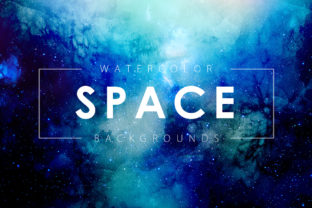
When I first viewed the preview for Space Watercolor Backgrounds, the immediate mood was one of quiet wonder. Unlike traditional space designs that rely heavily on hard-edged planets or rigid star charts, this collection leans into the fluidity of watercolor washes. The visual personality suggests soft gradients, nebulous clouds, and deep, rich voids. This creates a unique challenge and opportunity for the embroiderer. In a standard fill stitch scenario, achieving a true watercolor effect requires careful manipulation of thread density and color blending. The design feels less like a cartoon illustration and more like a textured landscape waiting to be stitched.
For a handmade product line, this aesthetic offers a sophisticated alternative to the typical novelty prints. It screams "boutique quality." However, the success of this look hinges entirely on execution. If the stitch density is too high, the soft edges will turn into stiff, plastic-like blobs. If it is too low, the gradient will disappear, leaving gaps that ruin the illusion of depth. My initial assessment is that Space Watercolor Backgrounds is best suited for projects where the background itself is the hero, rather than a subtle accent behind text.
A Real-World Scenario: The Custom Sweatshirt Project
To truly test the viability of this design, let’s imagine a specific client request. A local boutique wants to launch a limited-run collection of oversized sweatshirts featuring celestial themes. They need something that looks premium but remains comfortable. I envision using Space Watercolor Backgrounds on the back of a heavy-weight, heather grey cotton blend sweatshirt. The dark grey fabric would provide the perfect canvas for the lighter blues, purples, and teals inherent in the watercolor style.
In this sweatshirt embroidery scenario, the design needs to cover a large area without adding excessive bulk. The watercolor nature allows for irregular shapes that follow the natural drape of the garment. Unlike a geometric pattern that might look distorted if the fabric stretches, the organic flow of these backgrounds can mask minor tension issues. When I visualize the finished product, I see a customer holding up the sweatshirt, impressed by the texture. The interplay of light on the raised thread mimics the shimmer of a distant galaxy. This level of tactile detail is exactly what drives buyer engagement on platforms like Etsy, turning a simple garment into a collectible item.
Navigating Fabric and Hoop Challenges
While the potential is high, Space Watercolor Backgrounds demands respect for material limitations. As a professional reviewer, I must caution against using this design on thin or highly stretchy fabrics without proper support. The complex layering required to achieve the watercolor look means there will be significant stitch density in certain areas. On a delicate tea towel or a thin baby onesie, this could cause puckering or even tear the fibers over time.
Furthermore, the choice of hoop size is non-negotiable here. These are background elements, meaning they require ample space to breathe. Attempting to shrink this design to fit a 4x4 inch hoop will likely result in a loss of definition. The soft transitions between colors may merge into a muddy mess, losing the distinct "space" feel. For custom apparel or embroidered patches, ensure you have enough room to allow the design to expand naturally. If you are working on curved surfaces like caps, the distortion caused by the curve might warp the fluid lines of the watercolor effect, making it look jagged rather than smooth.
Strategic Use Cases for Maximum Impact
- Tote Bags: The sturdy canvas of a tote bag is ideal for the weight of this design. It serves as a bold statement piece for eco-conscious shoppers.
- Pillow Covers: Home decor items benefit from the texture. A pillow with Space Watercolor Backgrounds adds a modern, artistic touch to a nursery or living room.
- Aprons: For kitchen wear, the abstract nature keeps the design timeless, avoiding the clutter of specific holiday motifs.
- Holiday Gifts: While not explicitly seasonal, the cosmic theme works beautifully for winter holidays, offering a unique alternative to snowflakes and reindeer.
Practical Designer Notes for Success
If you decide to integrate Space Watercolor Backgrounds into your workflow, treat it as a serious technical exercise. Never skip the step of testing the design on scrap fabric first. You need to verify how the thread colors interact when layered. A color that looks vibrant on a monitor might appear dull or overwhelming once stitched. Check the running stitch outlines; sometimes, designers use them to define edges, but in a watercolor style, visible outlines can kill the dreamy effect. You may need to adjust the settings to remove or soften these borders.
Stabilizer selection is another critical factor. Because this design relies on fill stitches to create the wash effect, you need a stabilizer that supports the weight without adding stiffness. A cutaway stabilizer is often safer for knits like sweatshirts, while a tearaway might suffice for woven tote bags. Always inspect small details after stitching. Zoom in to ensure no loose threads are disrupting the gradient. Additionally, consider creating printable mockups in black and white to check contrast before committing to expensive materials.
Commercial Viability and Brand Consistency
For the Etsy seller or small shop owner, consistency is key to building trust. Space Watercolor Backgrounds offers a cohesive look that can tie together a diverse range of products, from baby embroidery items to adult accessories. This consistency helps in branding; customers begin to recognize your unique style. However, always confirm the licensing terms before selling finished items. Some digital embroidery files restrict commercial use or limit the number of items you can sell. Ensure you have the right to use this asset for your commercial embroidery projects to avoid legal complications down the road.
The visual appeal of this design directly impacts perceived value. A well-executed watercolor background elevates a basic tote bag into a premium gift. It signals to the buyer that care and artistry went into the creation process. In a market saturated with generic designs, offering something with the depth and nuance of Space Watercolor Backgrounds can set your brand apart. It transforms a commodity into a conversation starter.
Final Verdict on the Design Assets
In conclusion, Space Watercolor Backgrounds is a powerful tool for the creative entrepreneur willing to put in the technical work. It is not a "load and go" design for beginners; it requires an eye for color theory, fabric behavior, and machine settings. But for those who master it, the rewards are substantial. Whether you are creating personalized gifts, boutique merchandise, or holiday embroidery collections, this design brings a level of sophistication that few others can match.
Remember, the magic happens in the details. Test thoroughly, choose your fabrics wisely, and don't be afraid to experiment with thread blends to capture that elusive watercolor glow. When done right, the result is a finished product that feels both celestial and deeply human—a perfect fusion of art and craft.