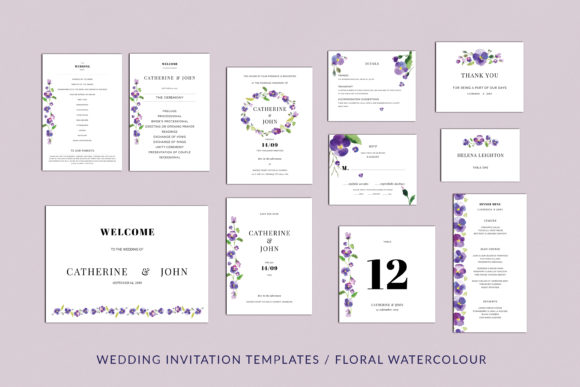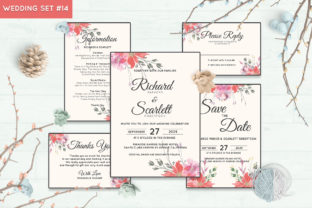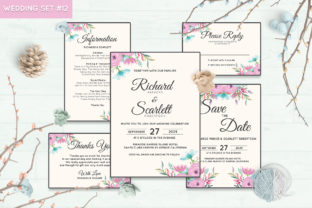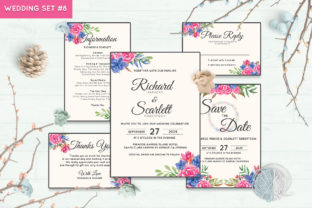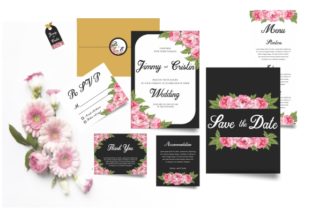
Rose Watercolor Wedding Invitation Templates
I recently opened a fresh project for a local boutique bakery specializing in artisanal wedding cakes and floral-inspired confections. The owner wanted a visual identity that felt organic, romantic, yet distinctly premium. She needed something to bridge the gap between a handmade craft and a high-end brand. That is when I stumbled upon Wedding Invitation Templates with Rose Watercolor Style. While the title suggests a specific use case for nuptials, my immediate reaction as a brand designer was to evaluate this graphic design asset for broader application in small business branding.
The first impression of these templates is one of soft elegance. The rose watercolor washes create a mood that is inherently feminine and decorative without feeling cluttered. It suggests a brand personality that values tradition, natural ingredients, and emotional connection. For a local business like our bakery client, or perhaps a skincare line using botanical extracts, this style communicates "handmade" and "organic" instantly. It does not feel mass-produced; it feels curated. However, before integrating any Graphic Templates into a real commercial project, I always subject them to a rigorous review process to ensure they can withstand the demands of professional packaging and marketing.
Evaluating the Mood for Local Brand Identity
When reviewing Wedding Invitation Templates with Rose Watercolor Style, the primary question is whether the aesthetic aligns with the core values of the business. The watercolor texture adds depth and warmth that flat vector graphics often lack. This makes it an excellent candidate for brands wanting to evoke nostalgia or a sense of gentle luxury. For a florist, a candle maker, or a boutique selling vintage-inspired clothing, this style provides a sophisticated backdrop that elevates the perceived value of the product.
In the context of brand identity, these assets work best when they support a narrative of care and attention to detail. The soft edges of the roses suggest a non-intrusive, welcoming vibe. This is crucial for small business branding where the goal is to build trust and rapport with customers who are often buying based on personal connection rather than just utility. If your business relies on a "luxury minimalist" approach, however, you might find the decorative nature of these templates too busy. But for businesses aiming for a warm, inviting, and slightly rustic-chic look, this is a powerful tool.
Practical Applications Beyond Invitations
Although categorized under wedding stationery, the versatility of Wedding Invitation Templates with Rose Watercolor Style extends far beyond paper invitations. In my workflow, I see immense potential for adapting these elements into various touchpoints for a local brand:
- Packaging Design: Use the rose motifs as corner accents on cake boxes or as full-background patterns for gift bags. The watercolor effect adds a tactile feel even in print.
- Product Labels: A smaller version of the rose graphic works beautifully on jar lids for preserves, honey, or soaps, signaling natural ingredients.
- Social Media Graphics: These assets make stunning hero images for Instagram posts announcing new seasonal flavors or limited-edition products.
- Hang Tags and Thank-You Cards: Including a subtle watercolor element on a hang tag transforms a simple price label into a piece of branded memorabilia.
- Menu Graphics and Flyers: For a café or event planner, using these templates as section dividers or background textures creates a cohesive editorial look.
The key is to treat these not just as clipart, but as integral parts of your visual hierarchy. When used correctly, they guide the eye and reinforce the brand story without overwhelming the essential information.
Enhancing Product Presentation and Shelf Appeal
One of the biggest challenges for handmade sellers is standing out on a crowded shelf or digital storefront. Wedding Invitation Templates with Rose Watercolor Style can be a game-changer here. By incorporating these elements into your product mockup or actual packaging, you create a stronger first impression. The soft pinks and greens of the roses contrast well with white kraft paper or cream cardstock, creating a palette that is both modern and timeless.
This consistency across all marketing visuals builds customer trust. When a customer sees the same delicate rose motif on your website banner, your social media ads, and the physical box holding their purchase, it signals professionalism and a polished commercial design strategy. It tells the customer that every aspect of the business has been thoughtfully considered. Furthermore, the emotional connection created by the floral imagery can lead to higher engagement rates on social platforms, as users are more likely to stop scrolling for content that feels beautiful and personal.
Strategic Placement: Where It Works Best
To maximize the impact of these design assets, strategic placement is vital. They shine brightest as decorative brand elements that frame text or highlight key features. On a product label, placing a single rose bloom near the logo can anchor the design. On promotional banners, a large, sweeping watercolor wash can serve as a dramatic backdrop for bold typography. They are also perfect for seasonal campaign visuals, particularly during spring and summer collections, or for holiday promotions involving romance and gifting.
For boutique visuals in-store, printing these templates on clear acrylic signs or laminated cards adds a layer of sophistication. The transparency of the watercolor allows it to blend seamlessly with other materials, making it a flexible component of your brand identity.
Where Caution Is Required
Despite their beauty, these templates require careful handling. They should generally be avoided in formal corporate branding contexts where a stark, authoritative image is required. Additionally, on very small labels or in areas crowded with legal text and ingredient lists, the intricate details of the watercolor roses may become muddy or illegible. High-density text areas need clean backgrounds to maintain readability.
Be wary of using them on low-contrast backgrounds where the light pink hues might disappear. Similarly, if your brand leans heavily towards industrial or ultra-modern aesthetics, the romantic nature of these Graphic Templates might clash with your overall message. Always ensure the decoration supports the text rather than competing with it.
Designer Notes for Professional Implementation
Before finalizing any project using Wedding Invitation Templates with Rose Watercolor Style, I recommend a series of practical tests. First, always test the asset on real packaging mockups to see how the colors translate from screen to print. Check how the design holds up in black and white, as some clients may need monochrome versions for receipts or internal documents.
Preview the graphics on small labels to ensure the details do not get lost. Test the asset against your specific brand colors to ensure harmony. Compare the result with competitor packaging to ensure you are distinct yet competitive. Verify the print quality, especially if the template includes fine lines or gradients. Review the PNG transparency to ensure there are no jagged edges around the flowers. If SVG or vector files are available, inspect their editability to allow for color adjustments.
Typography pairing is also critical. Test the watercolor roses beside serif fonts for a classic look, sans-serif fonts for a modern twist, or script fonts to amplify the romantic feel. Finally, and most importantly, confirm the commercial license before using these assets for client work, business branding, or physical product sales. Ensuring you have the right to use these digital products protects your business and maintains professional integrity.
In conclusion, while titled for weddings, these templates offer a rich resource for local business owners looking to infuse their brand with warmth and elegance. With thoughtful application, Wedding Invitation Templates with Rose Watercolor Style can transform simple packaging into a memorable brand experience.