PSD Photography Pricing Guide Template Review
As a digital publisher who has spent years refining the visual language of content websites, I know that the difference between a casual reader and a loyal subscriber often comes down to one thing: trust. That trust is built instantly through editorial quality and polished design. When I first opened the PSD Photography Pricing Guide Template, I wasn't just looking for a generic graphic; I was looking for a tool that could elevate my entire content marketing strategy. This specific asset immediately signaled a blend of professional structure and creative flair that is essential for modern web design.
The Editorial Mood and First Impressions
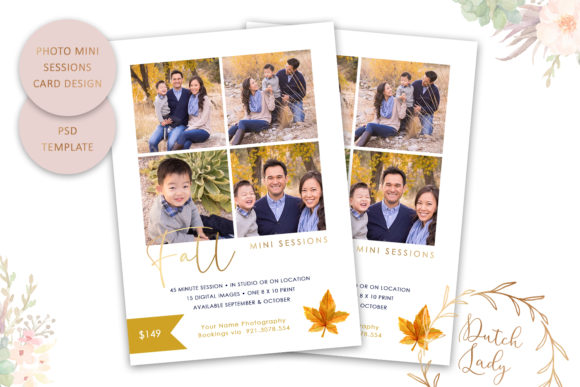
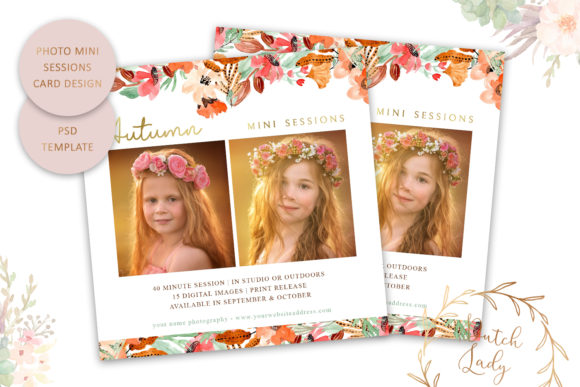
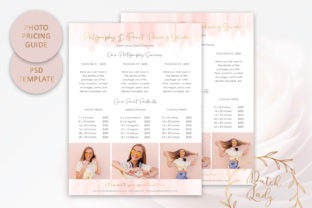
The moment you load this file into Photoshop, the intent becomes clear. This is not a chaotic or overly decorative piece; it is a structured, clean, and highly functional layout designed to communicate value. The visual hierarchy is excellent right out of the box, guiding the eye naturally from the headline down to the pricing tiers and final call to action. For a photographer, creative entrepreneur, or small business owner, this template creates an immediate sense of authority. It feels less like a flyer and more like a high-end editorial spread found in a lifestyle magazine.
The mood strikes a perfect balance between approachable and premium. It avoids the trap of being too "corporate" while maintaining enough seriousness to justify higher price points. If you are selling services or digital products, the aesthetic suggests that your work is worth the investment. The design supports niches ranging from wedding photography and portrait sessions to online courses and affiliate marketing funnels. It feels modern, organized, and ready for immediate deployment in a real publishing workflow.
Real-World Publishing Applications
In my own workflow, I rarely use a single design asset for just one purpose. The versatility of the PSD Photography Pricing Guide Template makes it a powerhouse for multiple channels. Here is how I envision integrating this graphic design asset into a comprehensive content strategy:
- Blog Featured Images: Use a cropped version as the hero image for a post detailing your service packages. It sets the stage before the user even reads the first sentence.
- Pinterest Pins: Vertical slices of this template perform exceptionally well on Pinterest. They act as visual hooks that drive traffic back to your pricing page or booking calendar.
- Newsletter Graphics: Embedding a section of this guide in your weekly email newsletter can remind subscribers of your current offers without feeling spammy.
- Lead Magnets and Digital Guides: Convert the layout into a downloadable PDF. As a lead magnet, it provides immediate value to potential clients who want to understand your process before they buy.
- Social Media Previews: Instagram carousels or LinkedIn posts can break down the pricing tiers slide by slide, making complex information digestible and engaging.
- Affiliate Content Visuals: If you are reviewing camera gear or software, adapt the layout to compare features and prices, creating a professional comparison chart that stands out against text-heavy competitors.
This flexibility transforms the template from a simple Print Templates category item into a core component of your brand identity system.
Boosting Content Performance and Trust
Why does a designer care about a pricing guide? Because clarity converts. A messy pricing table confuses readers and increases bounce rates. The PSD Photography Pricing Guide Template solves this by establishing a strong visual hierarchy. When a visitor lands on your site, they don't have to hunt for information. The design directs them exactly where you want them to go.
This level of polish significantly improves reader trust. In the world of affiliate marketing and digital sales, users are skeptical. They expect a certain standard of presentation. When your website header, article graphics, and downloadable resources all share a cohesive, high-quality look, you signal professionalism. This consistency strengthens your brand identity and makes your content pages feel more clickable and authoritative. It moves your site from looking like a hobby blog to a legitimate business entity.
Ideal Use Cases for Maximum Impact
To get the most out of this asset, place it where it will be seen at full resolution. Hero images on your homepage or dedicated "Services" pages are prime real estate. Article thumbnails that accompany deep-dive posts about your workflow also benefit from this level of detail. Furthermore, using this as a digital download for clients—perhaps as part of a welcome packet after they book—adds a layer of luxury to the customer experience. It works beautifully as a media kit element when pitching to brands or collaborating with other creatives.
Cautions and Limitations
While this template is robust, it is not a magic bullet for every scenario. You must use it carefully in contexts where space is limited. Small mobile thumbnails may lose the intricate details of the layout if not optimized correctly. Text-heavy blog images can become cluttered if you try to force too much copy onto the canvas. Additionally, if your niche requires a starkly minimal or ultra-corporate aesthetic, the decorative elements here might feel slightly out of place. Always test the contrast; low-contrast backgrounds can make text hard to read on bright screens. Serious professional niches, such as legal or medical consulting, might find the style too artistic unless heavily customized.
Practical Publisher Notes for Implementation
Before you publish, follow these steps to ensure the best performance:
- Test Across Devices: Preview the design on both desktop and mobile screens. Ensure the text remains legible on smaller displays.
- Thumbnail Check: Shrink the image down to see how it looks as a blog thumbnail. Does the message still come across?
- Font Pairing: Experiment with different typography. Try placing the design beside serif fonts for a classic look, sans-serif for modernity, or script fonts for a touch of elegance.
- Contrast and Readability: Check the color contrast. Try viewing the design in black and white to ensure the hierarchy holds up without color cues.
- File Optimization: Review the file size. Compress images properly to ensure fast web performance without sacrificing quality.
- Licensing Verification: Confirm the commercial license terms. Ensure you have the rights to use this on monetized websites, affiliate pages, or paid content products.
By treating the PSD Photography Pricing Guide Template as a strategic tool rather than just a pretty picture, you unlock its full potential. It becomes a vital part of your content ecosystem, supporting everything from social media graphics to eBook covers. Whether you are a blogger, a photographer, or a digital marketer, investing time in customizing this asset pays dividends in engagement and conversion. It bridges the gap between creative design and commercial success, giving you the professional edge needed in today's crowded digital marketplace.