Abstract Background, Hand-Painted Texture Review
As a designer who has spent years translating digital files into tangible thread on fabric, I approach every new machine embroidery design with a mix of excitement and skepticism. The market is flooded with generic patterns, but occasionally, a file arrives that promises something different. Today, I am evaluating the Abstract Background, hand-painted Texture. This isn't just another fill pattern; it claims to bring the organic feel of watercolor or acrylic brushstrokes into the structured world of stitching. Before you download this embroidery file for your next Etsy seller listing or boutique collection, let's dig into how it actually performs in a real-world scenario.
The First Impression: Mood and Visual Personality
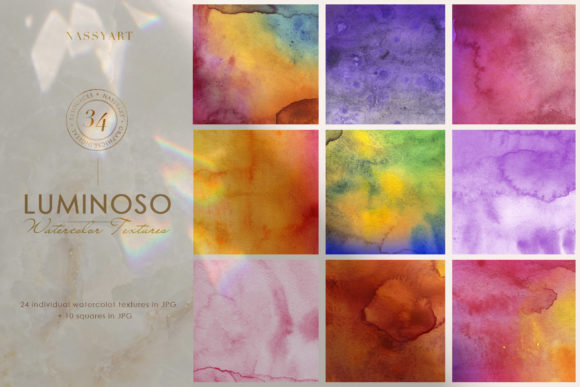
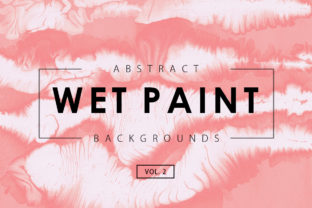
When I first loaded the Abstract Background, hand-painted Texture into my digitizing software, the visual personality was immediately striking. Unlike rigid geometric repeats, this design mimics the fluidity of a handmade product. The layout suggests movement, with irregular shapes and varying densities that resemble dried paint splatters or washes. For a small shop product line aiming for an artistic, bohemian, or modern aesthetic, this mood is exactly what is needed. It moves away from the "factory-made" look often associated with standard fill stitch patterns.
The detail level is moderate, which is a crucial observation. It is not so dense that it will pucker thin fabrics, nor so sparse that it looks unfinished. The theme feels versatile enough to serve as a subtle backdrop for text or as a bold statement piece on its own. If you are looking to elevate a basic white t-shirt into a gallery-worthy piece of custom apparel, this texture provides the necessary depth without overwhelming the garment.
A Real-Life Scenario: The Custom Embroidered Tote Bag
To truly test the utility of the Abstract Background, hand-painted Texture, I imagined a specific project: creating a limited run of canvas tote bags for a local art fair. The goal was to sell these as eco-friendly shopping bags that double as fashion accessories. I envisioned placing this texture across the lower third of the bag, perhaps in muted earth tones like terracotta, sage, and slate grey.
In this context, the design shines. The organic nature of the abstract background complements the natural weave of the canvas perfectly. When stitched, the variation in the stitch density creates shadows and highlights that mimic the way light hits wet paint. A customer holding this bag would likely perceive it as a high-end, artisanal item rather than a mass-produced commodity. This perception directly impacts product value and allows for a higher price point. The texture adds a tactile quality that customers love to touch, increasing engagement at craft fairs or in online printable mockup previews.
However, the success of this project relies heavily on execution. On a heavy canvas tote, the fill stitch lays flat and looks intentional. But if I were to use this same file on a lightweight cotton blend, the result might be different. This brings us to the practical considerations every creative entrepreneur must weigh before committing to production.
Navigating Fabric Challenges and Hoop Constraints
While the Abstract Background, hand-painted Texture is visually appealing, it demands respect regarding hoop size and fabric choice. Because the design features irregular edges and flowing lines, it does not work well in very small hoops where the details can get lost or compressed. I would advise against using this on tiny patches or caps unless you significantly scale it up, which risks distorting the hand-painted illusion.
Texture is also a factor. If you attempt to embroider this on a highly textured fabric like fleece or chenille, the running stitch and satin stitch elements might sink into the pile, making the design look muddy rather than crisp. Similarly, on stretchy fabrics like jersey knit, the tension required to hold the shape of the abstract forms could cause warping. In these cases, using a strong stabilizer is non-negotiable. Without proper backing, the organic lines may ripple, ruining the professional finish.
Dark fabrics present another challenge. The "hand-painted" effect relies on light and shadow. On black fabric, you need to carefully select thread colors that pop. Using dark threads on dark backgrounds will make the texture invisible. Always test the design in black and white mockups first to ensure contrast is sufficient. For baby embroidery or items that require frequent washing, check the density. Overly dense areas in abstract designs can sometimes trap moisture or become stiff after many wash cycles, which is undesirable for nursery decor or kitchen towels.
Strategic Use for Business and Branding
For Etsy sellers and digital product sellers, this design asset offers a unique opportunity to differentiate your brand. In a sea of floral and script designs, an Abstract Background, hand-painted Texture stands out as modern and sophisticated. It works exceptionally well for holiday gifts where you want to convey a sense of artistic flair, such as personalized pillow covers or aprons for home cooks.
However, remember that the finished product is only as good as the preparation. Always test the design on scrap fabric first. Check how the thread colors interact under different lighting conditions. Does the texture look like a deliberate design choice, or does it look like a mistake? Your customers will judge your craftsmanship based on these details. If you are selling commercial embroidery services, this type of file can help you secure contracts with brands looking for a more curated, less traditional look.
Furthermore, consider the licensing. Before using this digital embroidery file for personalized gifts or small business merchandise, confirm the terms. Some licenses restrict the number of items you can sell or prohibit reselling the file itself. Ensuring you have the right to use the design commercially protects your business from legal issues down the road.
Final Verdict for Designers and Makers
The Abstract Background, hand-painted Texture is a powerful tool for designers who understand the nuances of machine embroidery. It is not a "set it and forget it" file; it requires thoughtful application regarding fabric weight, stabilizer choice, and color selection. When used correctly on suitable projects like tote bags, sweatshirts, or decorative pillows, it transforms ordinary garments into standout pieces that command attention and justify a premium price.
If you are looking to add a layer of artistic sophistication to your craft business inventory, this texture is worth exploring. Just take the time to test it thoroughly. Verify the stitch density, inspect the small details on a sample, and ensure it aligns with your brand's visual identity. By doing so, you ensure that the final finished product meets the high standards your customers expect, turning a simple embroidery project into a memorable experience.